
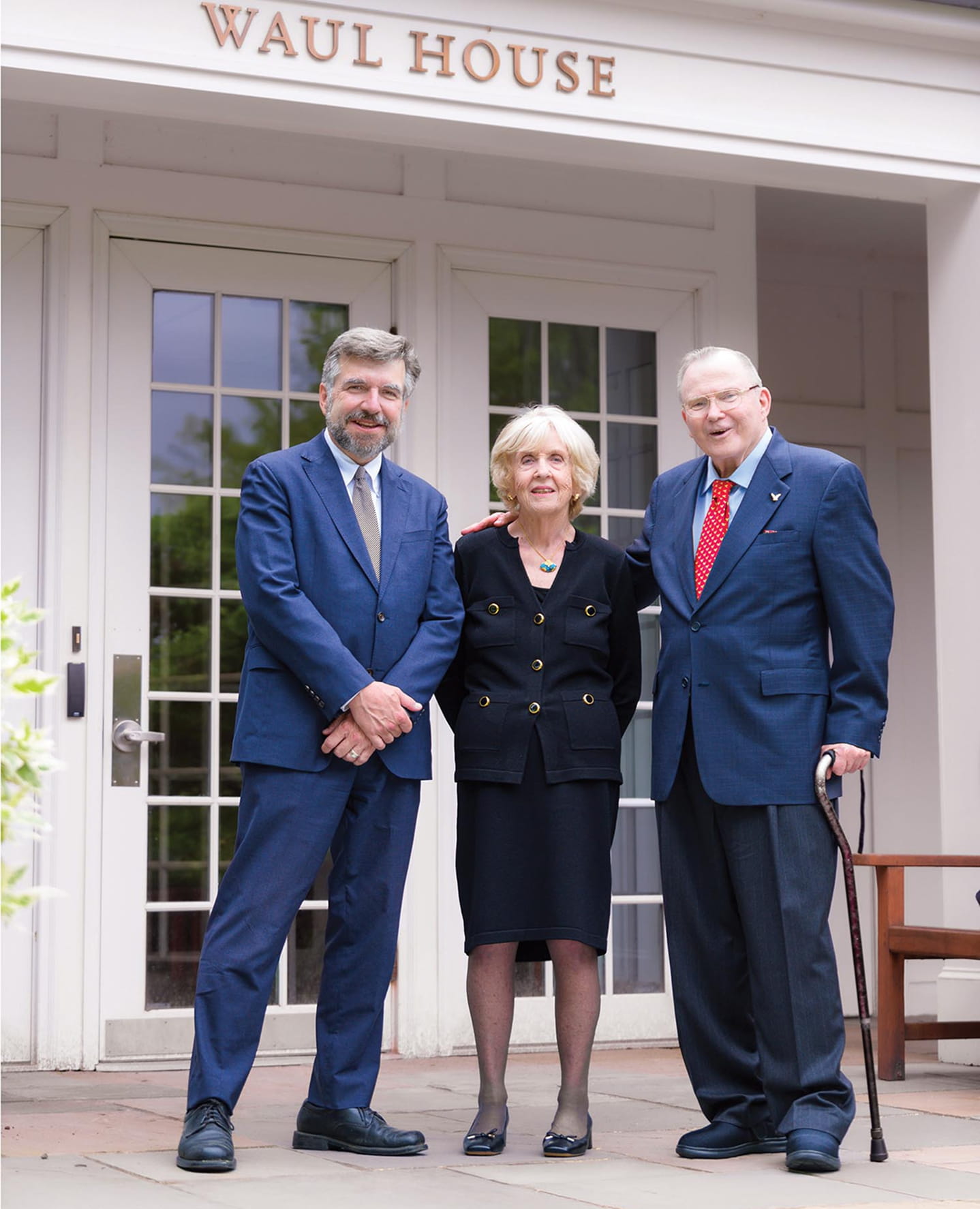
The Winston Tradition of Cura Universitatis
From the arts to business, scholarships to career support, Bob and Judy Winston have long demonstrated their care for the whole of Boston College. Now, through the newly endowed Winston Provostship, they’ve made a gift that reaches all corners of campus.
Listen to the audio version of this article
It was early evening in the summer of 2014 when David Quigley, only weeks into his new role as provost and dean of faculties, looked up to see Robert “Bob” Winston ’60 in his doorway. Quigley had met Bob and his wife, Judy, at BC events before but this was the first time Bob—a former BC trustee, longtime benefactor, and tireless volunteer—had sought him out.
The two men swapped stories from their respective careers—one a noted historian and rising academic leader, the other a retired executive and ethical leadership advocate—and their shared vision for the University’s future.
“Bob has a lively intelligence and endless curiosity about the world,” says Quigley, recalling how that first conversation moved seamlessly from one aspect of BC academics to another. “I gained a clear sense of why he had been so successful in his business—and came to understand his desire to do more than give back, to really lean into partnering with BC.”
Eleven years later, Bob and Judy have deepened that partnership with an unprecedented gift: an endowed provostship paired with a permanent fund to support academic innovation in the Office of the Provost and Dean of Faculties.
Being named the inaugural Robert L. and Judith T. Winston Provost and Dean of Faculties is a tremendous honor, says Quigley. Even more, he is energized by what the endowment represents for BC’s academic leaders for generations to come.
“This gift is a statement that the provost’s office isn’t just an administrative hub,” he says. “It’s the engine for driving our commitment to becoming a distinctive kind of great international university.”
Bob agrees, noting that every academic achievement—from reaching R1 status for the highest level of research activity to adding a human-centered engineering program to the launch of Messina College—has its roots in the provost’s office. “I was reading Pope Francis’s autobiography, Hope, and in it he said that when you find an excellent education system, be sure to periodically water its taproots so others can benefit from it,” says Bob. “And for me, that’s always been Boston College.”

At the end of the day, it’s not about me or the administration—it’s about the students.”
—Bob Winston

The Winstons’ latest donation included an additional $2 million from an anonymous challenge fund donor to encourage “significant new investments in the University’s scholarly enterprise.”
40+
new faculty endowments, including deanships, professorships, and faculty support funds, have been established with support from the challenge match.
“A RENAISSANCE MAN”
Winston says he was drawn to BC “as if someone was pulling me on a string.” A senior at Dedham High School, he hadn’t given much thought to college until, within one week, both his athletic director and family priest urged him to “get yourself down there and talk to Joe Shea.” Winston obliged, driving the next week to meet with Fr. Shea, a young Jesuit who reviewed Winston’s records and quickly put a stop to his plan to follow his father into insurance.
“‘Oh no,’ he said, ‘you’re going into arts and sciences; we’re going to make a Renaissance man out of you,’” Winston recalls. “So I ran home and told my mother, ‘They’re going to make a Renaissance man out of me’ and she says, ‘Well, you’re still going to take the garbage out!’”
At BC, Winston took courses in philosophy, literature, and other humanities to complement his economics major. He joined ROTC, graduated as a Distinguished Military Graduate, and served four years in the army in “high-stakes situations inside top-secret bunkers”—perfect training, perhaps, for his career in securities. Fascinated by emerging research on leadership theory and workplace psychology, he earned an MBA from the University of Pittsburgh and completed several executive leadership programs.
In 1965, Winston married Judith Teehan, a high school teacher who had just graduated from Merrimack College. The newlyweds moved to Los Angeles, where Winston rose to senior vice president of American Funds Distributors, then one of the world’s largest asset management firms. Judy continued teaching for many years before turning her attention to civic and parish leadership.
In later years, the Winstons split their time between coasts, which helped Bob stay active at BC. He served on Reunion committees, the Wall Street Business Leadership Council, the Board of Trustees, and he was regional co-chair for the Ever to Excel campaign. Still, he wanted to do more, so after retiring in 2003, he spent three days a week, for three years, offering free career advice and mentoring to more than 500 students. Seated at a folding table outside of Hillside Café, he reviewed resumes, practiced interviews, and helped Eagles connect with people and opportunities—and loved every minute of it. “It was all about the students,” he says. “I just wanted to help them get a jump start.”
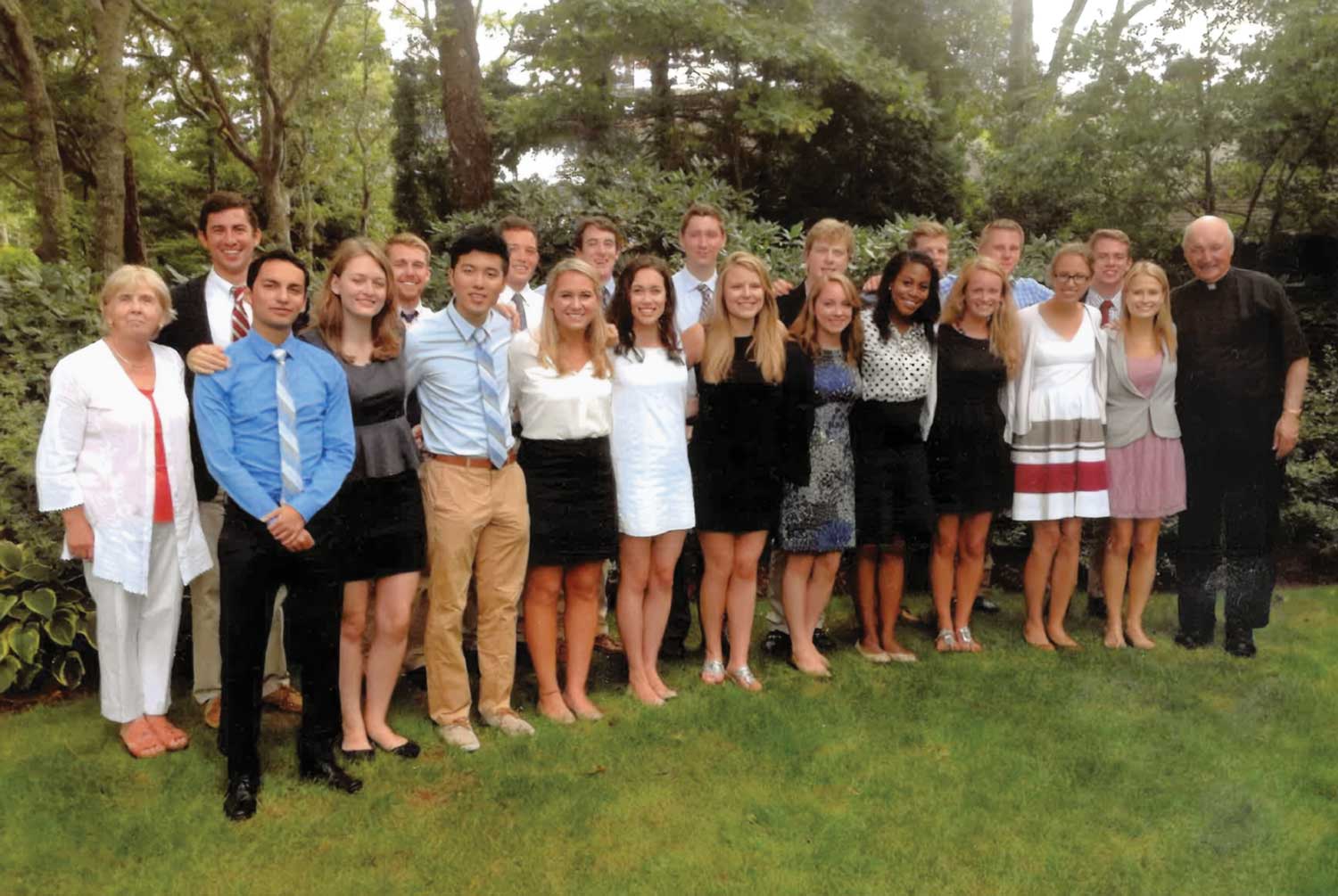
Winston was a hands-on supporter in the Winston Center for Ethics and Leadership’s early years, meeting often with students, hosting Jenks Leadership Fellows on Cape Cod (as seen in the photo above), and nurturing new mentoring and internship initiatives.
SERVANT LEADERSHIP
In addition to his multiple volunteer and service roles, Winston and his wife have been generous benefactors of BC, always with an eye on enhancing the student experience and developing tomorrow’s leaders.
In 2006, after the Enron scandal and other ethics crises rocked the country, the Winstons partnered with the Carroll School of Management to open the Winston Center for Leadership and Ethics. Nearly 20 years later, the center has grown into a vibrant campus-wide hub where students from every discipline can explore and practice servant leadership.
In 2019, they endowed the directorship of BC’s McMullen Museum of Art, where they had been loyal patrons for many years. True to their interest in student formation and career preparation, they also helped establish the McMullen Ambassadors program that allows undergraduate students to gain curatorial experience.
Their generosity extends beyond business and art to include the creation of several need-based scholarship funds (including one for nursing students in honor of Bob’s sister, Mary Jane Brooks ’62); support for St. Columbkille Partnership School, the Division of Mission and Ministry, and Messina College; and a number of “just-in-time” gifts made in response to specific needs and opportunities.
Their philanthropy came naturally, Judy says, noting that they both came from relatively modest homes where neighbors helped neighbors. “I think having Catholic educations made a tremendous difference,” she adds. “We’ve been very blessed to have the means to do this, and to be able to do it together.”
Asked about his legacy at BC, Bob deflects: “At the end of the day, it’s not about me or the administration—it’s about the students. Seeing them grow and step up as servant leaders, that’s what I’m most proud of.”
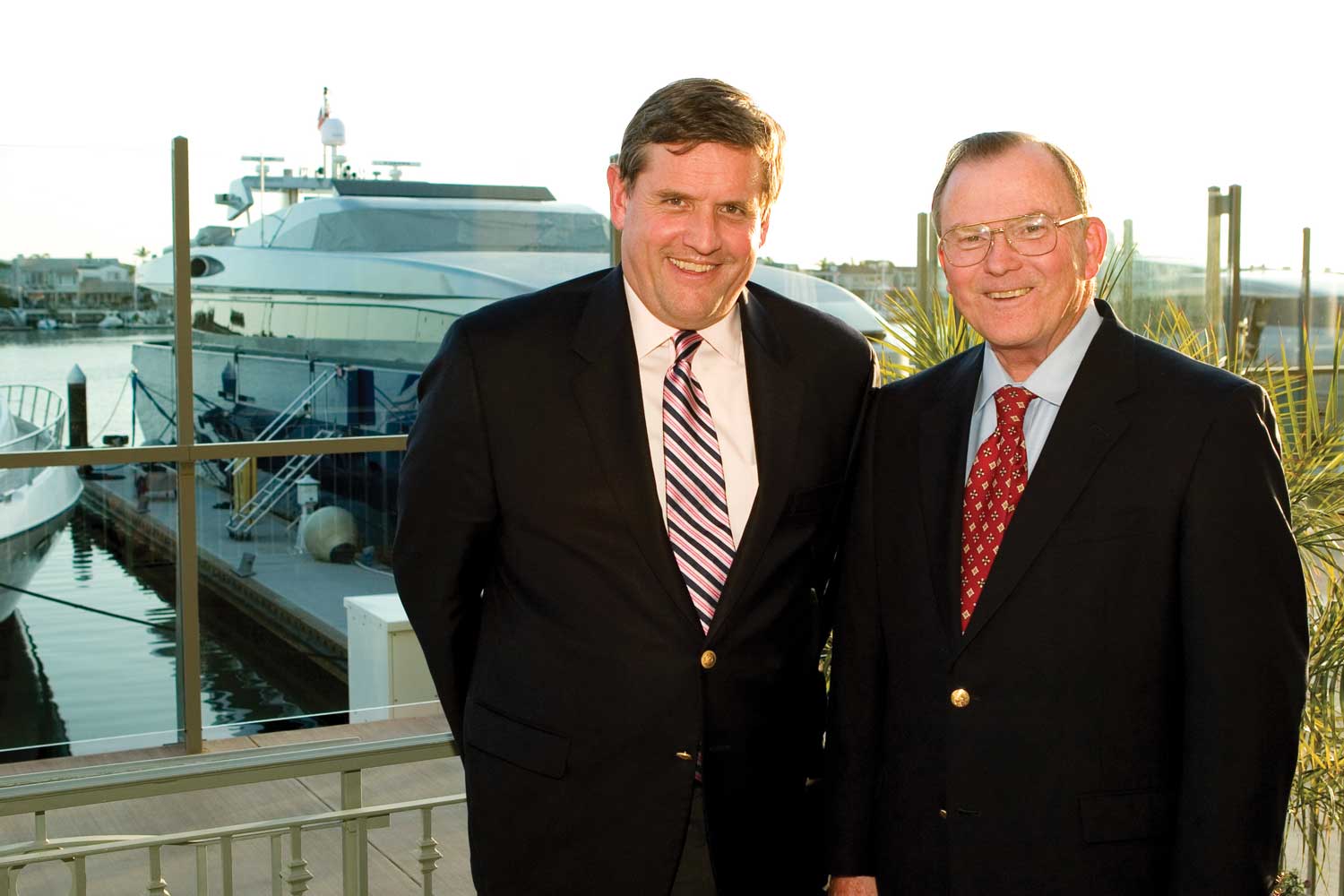
Bob Winston (right) with Andrew Boynton (left), the John and Linda Powers Family Dean of the Carroll School of Management, April 6, 2006.
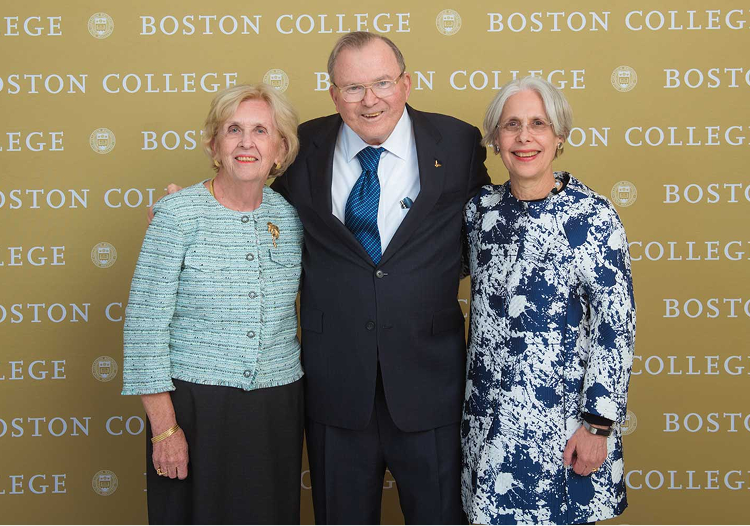
Judy (left) and Bob Winston with Nancy Netzer (right), the inaugural Robert L. and Judith T. Winston Director of the McMullen Museum of Art, April 30, 2019.
WATERING THE ROOTS
It was through their work with the McMullen Museum that the Winstons first began to learn more about Quigley and his team’s role at BC. Hearing from students about new minors, interdisciplinary programs, and research grants—all born of the provost’s office—sparked an idea. “We don’t build buildings,” Bob says with a grin, “but we knew we wanted to do something enduring and impactful.”
They began to research the provost office’s scope—five vice provosts, nine schools and colleges, 11 deans, and more than 35 research centers and institutes—and saw that with one gift they could make a difference across the entire campus. The gift’s timing was chosen with care, says Bob: “It was my 65th BC Reunion, and I wanted to mark that milestone out of deep gratitude to the college that shaped my life.”
The endowment arrives at a pivotal moment, as higher education faces unpredictability in funding sources, partnerships, and even the global context of its work. Quigley will use the fund to consolidate and strengthen some of BC’s newest flagship initiatives—human-centered engineering, global public health, Messina College, cross-campus minors, and others—ensuring that the momentum built over the last decade will mature into lasting excellence.
How do we bring the mission of the University to fuller, more imaginative life? That is what we must always ask ourselves.”
Long term, the gift will underwrite BC’s greatest resource: its faculty. “For me, my success or failure as provost very much depends on the engagement and vibrancy of our faculty, whether they are chemists in the lab, nurses in Boston-area hospitals, or historians in the archives,” says Quigley. Along with other endowed faculty positions, the Winstons’ gift will help build a cadre of outstanding faculty who can carry the Boston College mission forward for decades.
Quigley sees the Winston Provostship as an anchor for both BC’s Soaring Higher campaign, which has an ambitious goal of raising $1.15 billion for academic excellence—and the University’s strategic-planning process now underway. “Knowing future leaders will have the support, resources, and recognition Bob and Judy have made possible honors everyone who’s held this office before and will enable the transformative education that BC promises for generations to come.”
Not every university has a provost, and the title can mean vastly different things in different places. At Boston College, the provost serves as the chief academic officer, custodian of classroom excellence, and steward of every program that shapes scholarly endeavor—from the 900-plus faculty; to admissions and financial aid; to the libraries, museums, and academic centers that animate campus life.
Winston Provost David Quigley works closely with five vice provosts who focus on specific aspects of the University’s academic mission. Together, they set academic priorities, shape policy, and convene committees on teaching, technology, and Core Curriculum development. They promote innovation through seed grants and pilot programs—including the Prison Education Program and BC Companions—and track progress through publications, rankings, and faculty awards.
In short, the Office of the Provost and Dean of Faculties oversees every facet of the academic enterprise with one goal: to enable and inspire BC’s faculty, students, and staff to reach new heights.



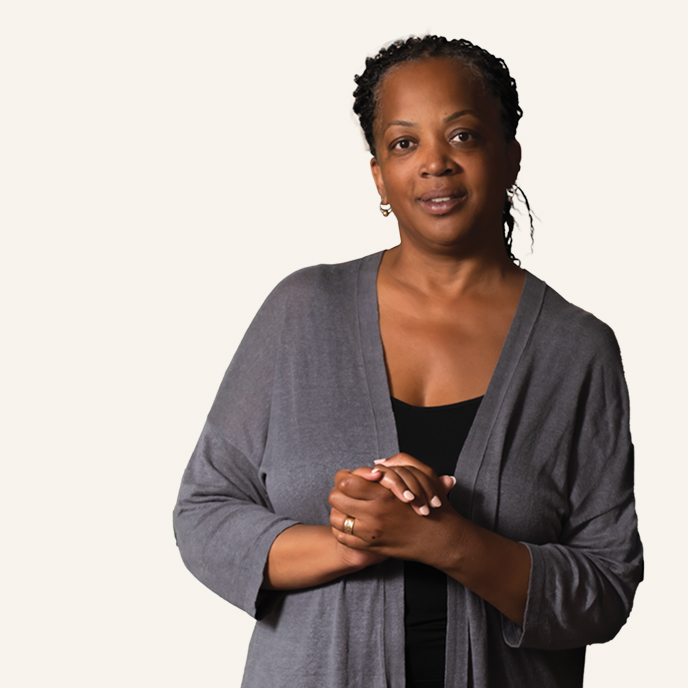

Swipe or use the arrows to see more profiles.
The Office of the Provost encompasses every facet of the University’s academic enterprise:
In the Office
923 full-time faculty across BC’s nine schools and colleges
8 BC libraries
35+ centers and institutes, including the Institute for the Liberal Arts, McMullen Museum of Art, Schiller Institute for Integrated Science and Society, and Shea Center for Entrepreneurship
Offices of Admission and Financial Aid
And Across the Heights
Including:
Global Engagement
Prison Education Program
Formative Education
Gabelli Presidential Scholars Program
Companions Program
Learn more at bc.edu/provost